• Skip to primary navigation
  • Skip to main content
  • Skip to footer
AddUp

AddUp

  • Machines
    • Machines
      • PBF
        • FormUp 350
        • FormUp 750 – Coming Soon
      • DED
        • BeAM 400
        • BeAM 800
      • Software
        • AddUp Dashboards
      • Why AddUp
        • Customer Journey
        • Certifications
  • Service
    • Service
      • Consulting
      • Training
      • AddUp Academy
  • Industries
    • Industries
      • Medical
      • Tooling & Molding
      • Aerospace & Defense
      • Other
  • Applications
  • Resources
    • Resources
      • Guide to Metal 3D Printing
      • Blog
      • Videos
      • Events
      • Materials
      • Downloads
      • AddUp Academy
      • Customer Portal
  • Company
    • Company
      • News & Press
      • Partners
      • Careers
      • Company Locations
      • Supplier Portal
  • Contact
        • Search

  • EN
    • FR
    • DE

PBF

October 24, 2023 by

Learn how AddUp worked with German toolmaker Gira to modify an existing mold to achieve shorter cycle times and improved heat conduction using additive manufacturing. 

INDUSTRY

Tooling & Molding

CHALLENGE

It was difficult to find a potential project at Gira, since most of the sockets and switches are produced  with a high-gloss finish, something the AM community hasn’t tackled yet.

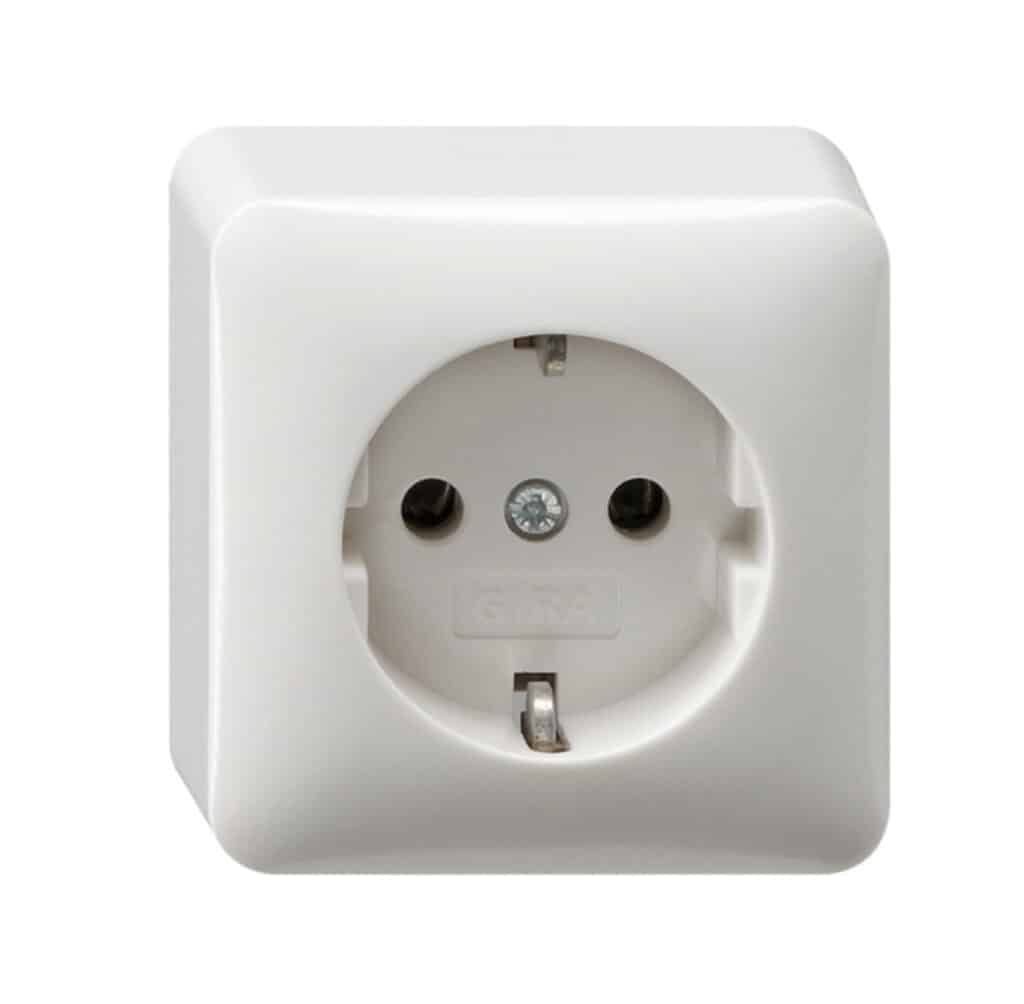
We found an intriguing application in a socket variant for surface mounting. Due to the core on the locking side cannot  be sufficiently tempered by conventional means. There is no way for machine channels to homogenously cool the part across the height of the mold.

KEY BENEFITS
  • Improvement in temperature control
  • Reduction of cooling time
  • Understanding AM Specific Design Approaches
icon addup
INCREASED PRODUCTIVITY
icon addup
REDUCED MANUFACTURING TIME
icon addup
CONFORMAL COOLING

History

Gira’s toolmaking stands for the innovative production of technically high-quality products and assemblies with industrial precision. A particular strength lies in the great speed and flexibility with which they create solutions for large series, small series, and prototype tools, all cost-effectively. Gira is also capable of creating tools for multi-component molded parts.

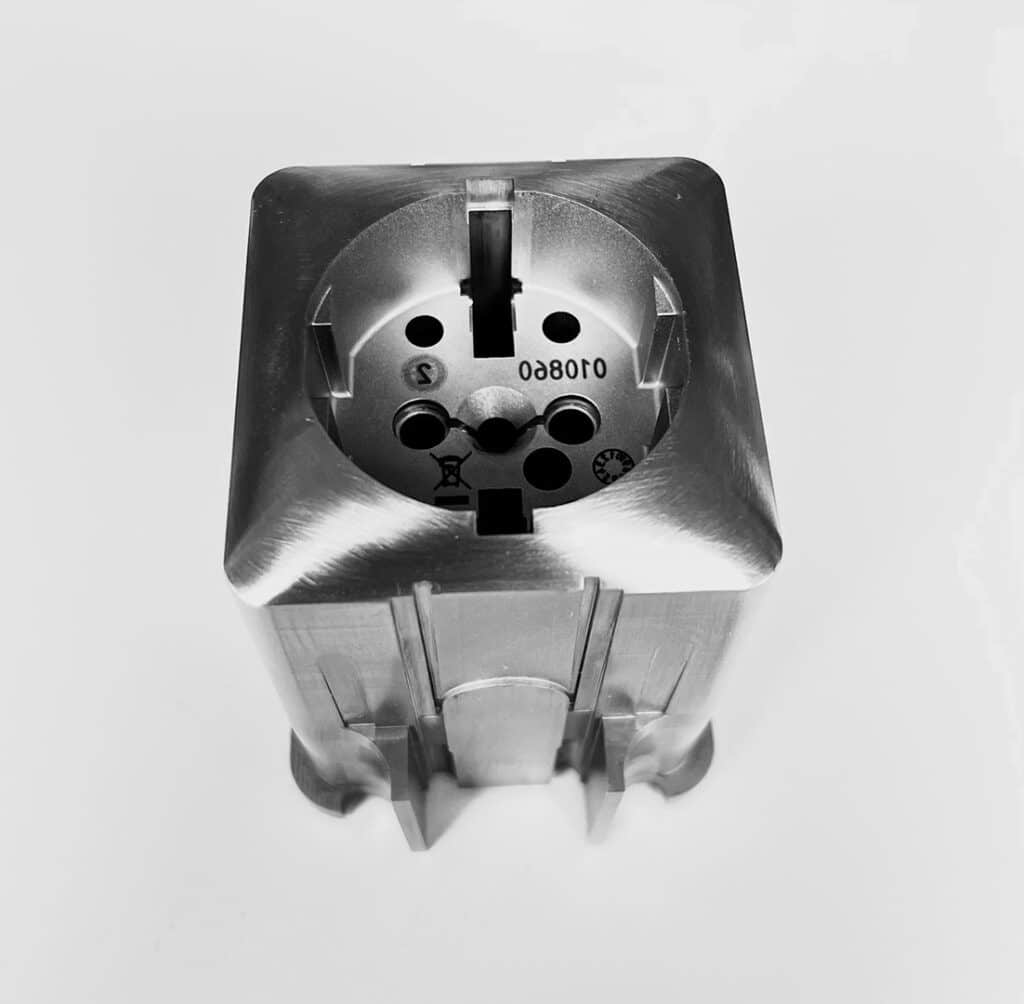
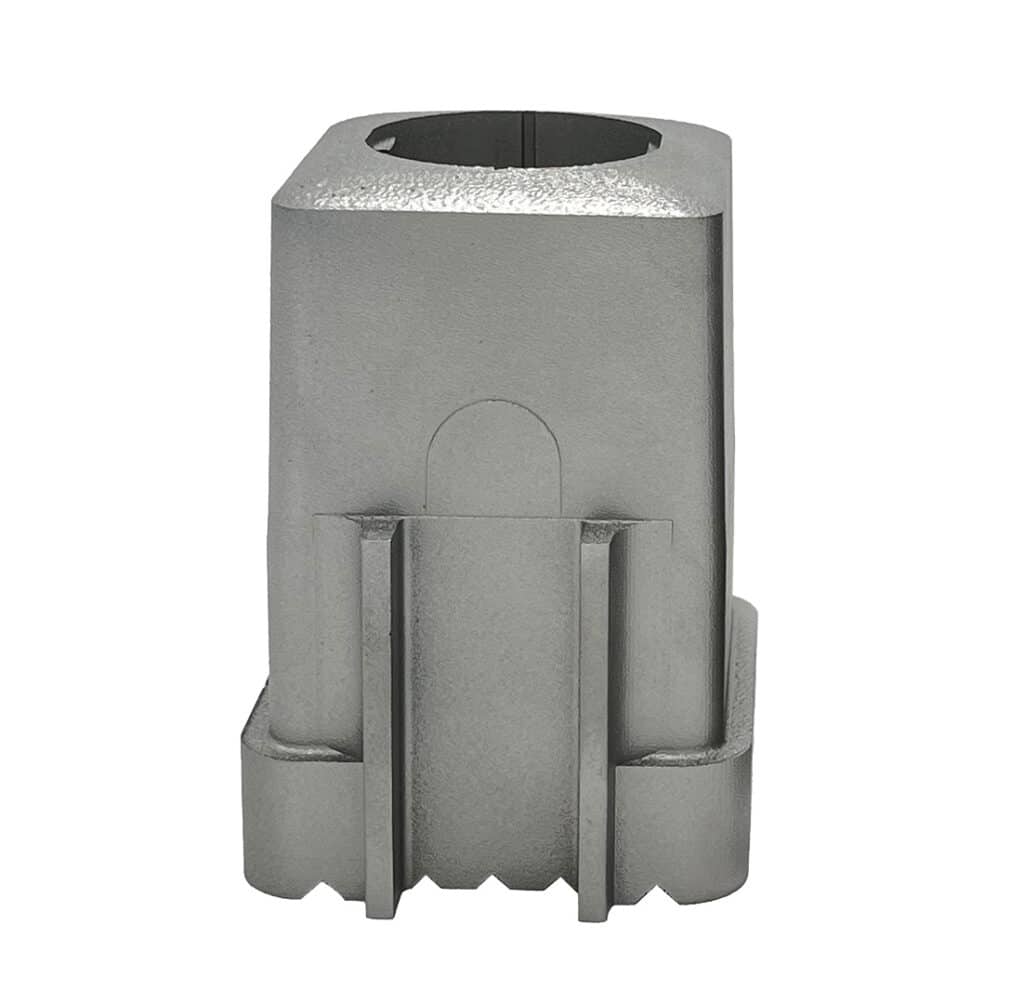
The aim of this project was to modify an existing mold to achieve shorter cycle times with the core of the part now being designed to be produced by AM.

With the existing mold, the part can be produced to the required quality specifications, but the conventional cooling of the mold core results in  suboptimal heat conduction. Eventhough the cycle time is already in an economic range,  Gira noted  that further improvement can be made in this area.

There lies the potential to improve heat conduction in the core through an improved cooling channel design, and thus a reduction in the  cooling time is made possible through additive manufacturing.

Challenge

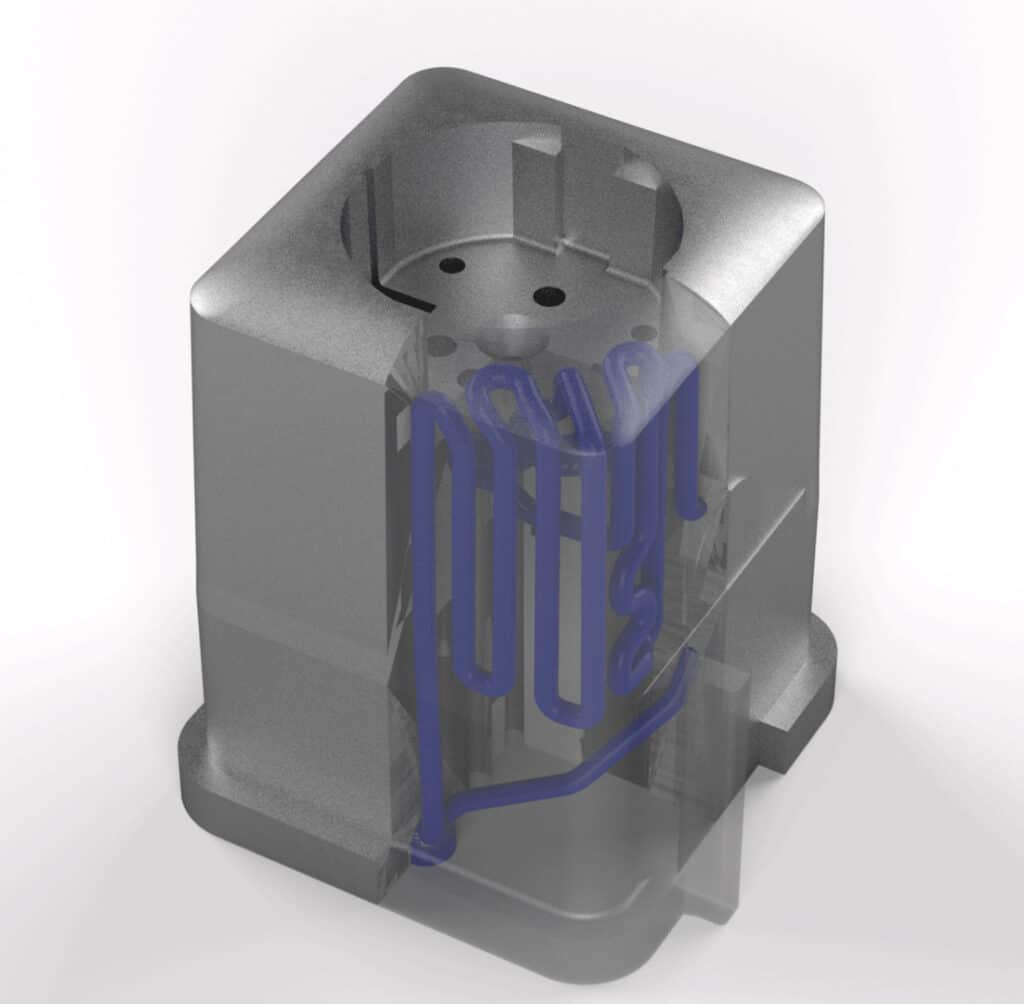
The end-use part produced by the mold is a polycarbonate socket, and has a wall thickness of approximately 3mm. The core of the insert has a large contact area with the polycarbonate andthis entire surface must be cooled homogeneously in order to achieve optimized heat conduction compared to the conventional core. In order to achieve largely uniform heat dissipation, it is imperative to design the cooling channels with equal spacing to the respective surfaces and to properly choose the spacing between the channels.

Following these rules leads to  highly effective cooling but there are other manufacturing considerations to be taken into account. After the 3D printing process, the part must be thoroughly depowdered, and as the complexity of the circuit of cooling channels increases, so does the complexity of depowdering of these channels. This step in the process chain is critical to both the functionality of the part and the safety of workers exposed to the powder.

Delivering flawless parts and protecting workers is AddUp’s priority.

Solution

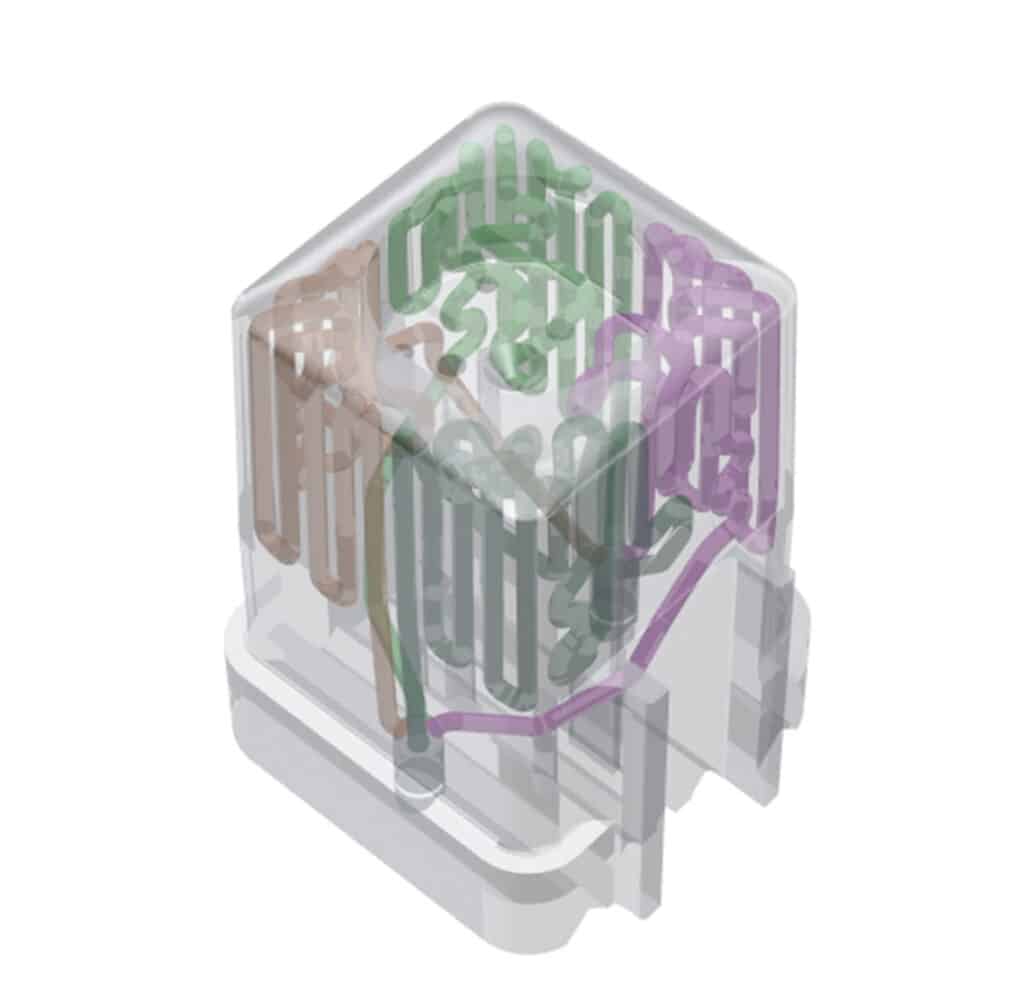
The geometric properties of the core were used to inspire the design of the channels. There is an axis of symmetry in the core around which a channel can be mirrored. This feature is more often used to save construction costs, but is also convenient in achieving perfect balancing of the ducts, since they can all be modeled in the same way.

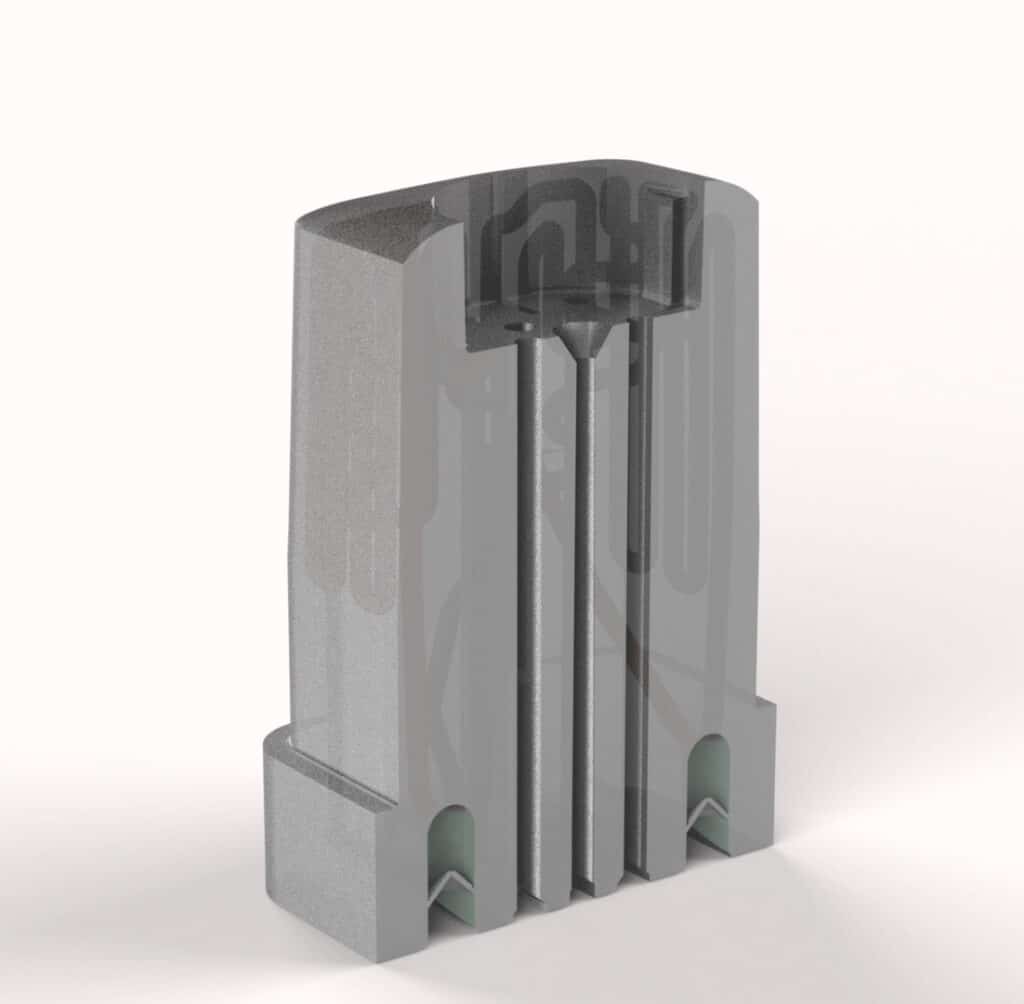
Since this core is built into an existing mold, the cooling inlets and outlets are predetermined. To supply the four channels with coolant, a quadruple parallel circuit is built into the core. In this way, it is possible to connect all the channels to the existing coolant supplies.

In the process of designing the channels, de-powdering must be considered. The alignment of a part on the 3D printing platform is determined by its geometry, the desired tolerances, and the amount of support structure. In the case of this core, the optimal orientation is obvious due to the recess for the plug and the angle for demolding. However, this alignment has the disadvantage of making the part difficult to depowder because the inlets and outlets are located on the plate.

To ensure that the operator does not come into contact with powder, only properly de-powdered parts can be removed from the  confined zone. In this zone, the operators are equipped with protective clothing and respirators, PPE that is not required in the rest of the process chain.
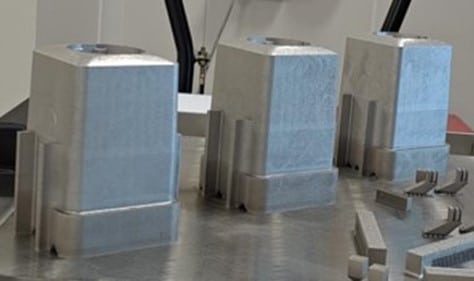
In order to thoroughly de-powder the fourfold parallel cooling system, the component must first be sawed off the build platform. To prevent loose powder from escaping from the component, an orifice plate was installed. That orifice plate wasn’t removed until the component was back in the powder zone, preventing any powder from escaping until ready to thoroughly de-powder the part.

This project is a good example of a very complex component being depowdered without compromising safety, because the safety of the employees must always be the top priority.

Results

An improvement in temperature control are guaranteed by employing intricate complex conformal cooling channels using the design freedom of AM. This project shows that designing molds with AM in mind can lead to ample downstream benefits. Gira will be exploring opportunities in their early development stages knowing they can use AM to increase performance of their molds. Gira and AddUp will continue to work together as they find more and more applications where AM can help their customers.
Gira 1
Gira 2
Gira 3
Gira 4
Gira 5
gira 6
  • Design of parallel and balanced cooling circuits.

  • Stock material as small for post-processing


  • Addition of references and clamping surfaces

October 5, 2023 by

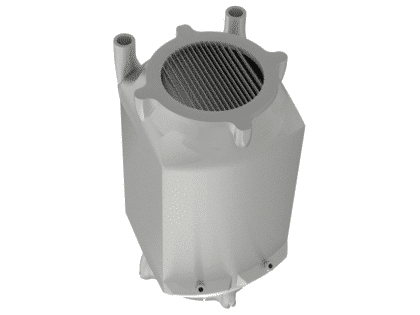
This case study presents the development of an optimized heat exchanger for the Form Up® 350 machine. The goal was to improve heat dissipation and adapt the dimensions for easy installation.

INDUSTRY

Aerospace

CHALLENGE

To reduce production costs and lower lead time while optimizing neat dissipation for a neat exchanger.

KEY BENEFITS
  • 64% reduction in size
  • Weight of the part divided by 6
  • Simplified installation
  • Reduced production costs and time
  • Enhanced reliability with monobloc design
icon addup
CREATIVE SHAPE
icon addup
INTERNAL CHANNEL
icon addup
MASS REDUCTION
icon addup
PERFORMANCE

History

The project to produce a heat exchanger for the FormUp® 350 machine arose from the desire to take advantage of the know-how developed by PrintSky, a joint venture created by AddUp, a manufacturer of metal 3D printing machines, and Sogéclair, a supplier of innovative solutions for cleaner, safer mobility. The aim was to assess the benefits of an optimized additive manufacturing solution by comparing it with the current system, produced by conventional methods.

The part chosen for this application is the cooler for the fusion fume exhaust stream. In an L-PBF machine, such as AddUp’s FormUp 350, an inert gas flow passes through the manufacturing chamber, evacuating the fumes generated during melting. This gas flow, which circulates in a closed circuit at high speed (several meters per second), requires an efficient cooling system.

Challenges

One of the main constraints of the project was to keep the production cost of the exchanger lower than or equivalent to the conventional solution while optimizing its performance to improve heat dissipation and adapting its dimensions to simplify installation in machines.

For this innovative project, the AddUp’s engineers started from scratch. They defined the level of performance to be achieved to design a heat exchanger that perfectly met the needs of the application, without conforming to market standards. The internal channels, fins and interfaces have been customized to optimize the compactness and the part performance.

Designers drew on PrintSky’s core competencies to optimize geometry, footprint, and production times (using high-productivity recipes). Internal channels, fins, and interfaces were customized to optimize part compactness while ensuring enhanced performance. All this was achieved by inte-grating AddUp’s experience in heat exchanger manufacturing.

Solution

AddUp and Printsky’s designers chose to optimize the exchanger’s geometry and footprint, as well as manufacturing times. To achieve this, they used high-productivity recipes and incorporated AddUp’s experience in the field of heat exchangers into each of their design choices. The shapes of the cooling fins, for example, were designed to facilitate the removal of unfused powder. This innovative exchanger and its connectors were designed in CATIA, and cooling was simulated using Altair software. The whole unit was designed to be printed in a single piece, thus reducing the assembly times compared with traditional mechanically welded exchangers.

Results

This new heat exchanger, optimized in terms of heat dissipation and pressure loss reduction thanks to Printsky’s in-house tools and expertise, offers a 64% gain in volume over the previous system, with its mass divided by six. The choice of aluminum has resulted in a compact yet efficient solution, adapted to all the constraints imposed by the FormUp 350 machine environment, at a price equivalent to a conventional solution.

Today, the cooler is in the final stages of industrialization and will be put through its paces in trials to assess its actual performance on the additive manufacturing machine. A final optimization phase is planned to adjust geometries and manufacturing choices based on these tests.

Designed in aluminum, a material that is both light and a good thermal conductor, the compact exchanger efficiently cools the hot gases from FormUp 350.

  • 64% smaller footprint.

  • Mass divided by 6.

  • Equivalent price.

  • Enhanced reliability with monobloc design.

October 2, 2023 by

The goal is to demonstrate an interest in the PBF technology to create heat exchangers with improved compactness, good thermal performance, and metal 3D printed in one go.

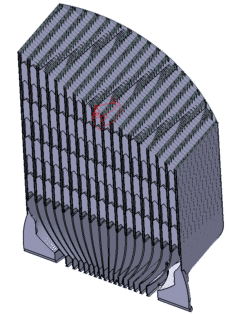
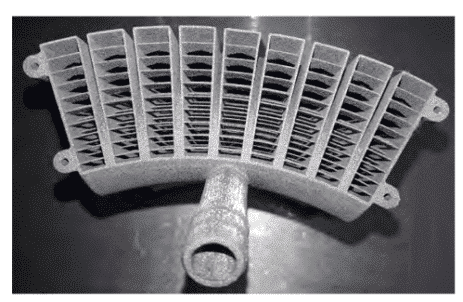
Answering the aerospace industry’s issues on thermal gear through the Powder Bed Fusion technology (PBF process) is what Temisth and PrintSky – the AddUp SOGECLAIRE Joint-Venture – propose under a partnership with the European Space Agency. In this study, the aim was to meet the needs of the space industry. The part was produced in aluminum on a FormUp 350 machine provided by AddUp.

OBJECTIVE

Develop a heat exchanger using the full potential of PBF process

RESULTS
  • Good thermal performance for a smaller volume compared to “conventional“ exchangers
  • Printed all at once
DIMENSIONS
  • 116x116x60 mm Mass: 244 g Heat exchanging power: 2,3 kW (simulated result)

Context

PrintSky is a joint venture between AddUp group, an expert in metal additive manufacturing, and SOGECLAIR, specializing in the integration of high-value-added solutions in the fields of aeronautics, space, civilian and military transport. Temisth is specialized in the development of custom thermal solutions customized using additive manufacturing. The goal for PrintSky and Temisth was to demonstrate their interest in the PBF (Powder bed fusion – laser) technology to create heat exchangers with improved compactness.

The part from above

Used Means

Printsky has developed its own methodology for dimensioning heat exchangers to the given characteristics. In this example, the aim was to meet the needs of the space industry. The part was produced in aluminum on a FormUp 350 machine provided by AddUp.

Advantages of Metal 3D Printing

Metal additive manufacturing is relevant for thermal equipment. It allows for the creation of channels with complex shapes, thus improving thermal performance while reducing the volume. This heat exchanger has thin walls (250 μm) and double curvature channels that are impossible to produce by conventional techniques. The tests carried out on a test bench allowed us to validate the leak tightness of the part, as well as its performance, very high considering the compactness of the exchanger. PrintSky has obtained a partnership agreement with the ESA (European Space Agency) for the development of this aluminum part.

The AddUp Advantage

Metal powder in fine particle size, used here on the FormUp machine, allows surface conditions adapted to heat exchanges.

October 2, 2023 by

See how AddUp and PrintSky develop a good rigidity/mass balance with a high technical and economic value for an aeronautical part.

The CEA (French Alternative Energies and Atomic Energy Commission) has joined forces with AddUp to create the Famergie platform to help energy sector manufacturers develop projects for the production of parts using metal additive manufacturing. The first project resulting from this partnership is a demonstrator of a methanation exchanger-reactor. This device converts CO2 into methane, which can be used as synthetic fuel. As the methanation reaction occurs at high temperatures and pressure, the design of the exchanger is crucial for the efficiency and control of the entire methane production. Read the case study about additive 3D printing of the aerospace support part using the FromUp 350® machine.

OBJECTIVE

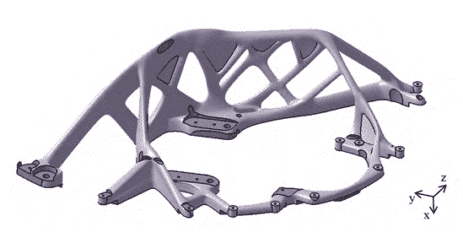
Print a lightweight metal 3D support part

RESULTS
  • 40% mass savings compared to the maximum target of 600 g given
  • Compliance with the dimensions of the original part, for fastening and assembly.


Context

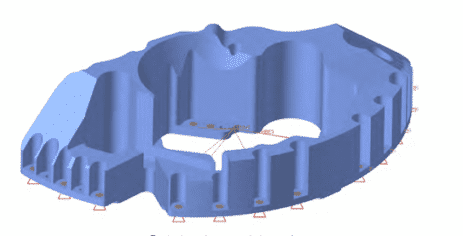
PrintSky is a joint venture between the AddUp group, an expert in metal additive manufacturing, and SOGECLAIR specialized in the integration of high-value-added solutions in the fields of aeronautics, space, civilian and military transport. The CEA (French Alternative Energies and Atomic Energy Commission) commissioned Printsky to redesign a typically machined support part using the possibilities offered by additive manufacturing to reduce its mass. This support must also precisely ensure its functionalities to hold the equipment it has to support and resist the stresses it is subjected to.

Implemented Means

PrintSky was in charge of the design part of the project, developing its own experience and methodology to implement the characteristics of the metal part, in terms of mechanics and manufacturability. The production was then entrusted to AddUp experts who 3D printed the aerospace part using their FormUp350® machine.

Advantages of 3D Metal Printing

After topological optimization, additive manufacturing makes it possible to develop complex shapes, improve performance and reduce the volume of a metal part. It also allows the manufacture of very robust parts. Indeed, the material is added only where necessary, either to support forces or to ensure functionality such as fastening, support surface, or other. A good rigidity/mass balance with a high technical and economical value for an aeronautical part.

Results

The optimized support fulfills the same functions as the original support, but with a significant mass reduction, impossible to achieve with conventional technologies.

The use of fine powder allowed to obtain a good surface finish and finally the part was manufactured without support, which allows a significant time-saving in post-processing.

The AddUp Advantage

The mastering by AddUp of the material characteristics obtained on FormUp350® and of the additive manufacturing simulation tools has allowed us to anticipate the thermo-mechanical distortions and to obtain compliant parts after only one iteration.

October 2, 2023 by

The goal of the project is to verify the technical and economic feasibility of additive manufacturing of complex geometric replacement parts for equipment that is no longer manufactured.

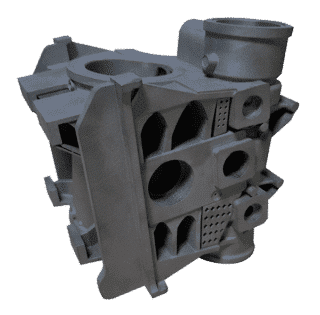
The project aims to verify the technical and economic feasibility of producing additive manufacturing spare parts with complex geometries for equipment that is no longer manufactured and historically sold complete. The equipment in question is a material transfer bridge and a steam distributor block.

OBJECTIVE

Demonstrate the technical and economic feasibility of metal additive manufacturing to produce spare parts

RESULTS
  • Design and mechanical characteristics are identical to the original part.
  • Reduced production costs, compared to traditional manufacturing (machining)
  • Creation of a new and more agile supply chain
  • Reduced stock of spare parts

Context

Stainless steel 316L

Different plants in the Orano group want their spare parts to be available at the right time and at a lower cost, to secure the installations and optimize their parts inventory management. In particular, the maintenance department of Orano Cycle Tricastin has to deal with the obsolescence of some equipment for which the supply time is very long. In the nuclear industry, the storage of spare parts for all those complex equipment represents an important investment.

The Project

The project aims to verify the technical and economic feasibility of additive manufacturing to produce metal parts with complex geometries for equipment that is no longer manufactured and historically sold complete. The equipment in question is a material transfer bridge and a steam distributor block.

To meet this demand, Orano needed to rely on a solid industrial group with a large machine pool and a mastery of the value chain. This is why Orano called upon AddUp, a French manufacturer of metal additive machines. The AddUp experts thus 3D printed, using PBF technology (Powder Bed Fusion – laser), nine models of 316L stainless steel parts as well as test specimens for mechanical tests (tensile and impact) and other quality controls.

Additive Manufacturing Benefits

  • The cost of additive manufacturing compared to machining is lower: less material consumed, several parts printed on a single platform, and in a single operation.
  • The ability to produce parts with complex geometry from a scanned model of the part (reverse engineering) for parts without a CAD file.
  • The use of fine powder results in parts with high geometric accuracy and a good surface condition, even in internal channels.

Results

The full cost of producing 16 parts and 36 mechanical test specimens by additive manufacturing is equivalent to the cost of producing 3 parts by machining.

The AddUp Advantage

The use of fine powder with the FormUp350 machine allows for manufacturing parts with a good surface finish (especially for internal channels), as well as the creation of complex geometries. Control of the complete production chain: design, production, machining, post-processing, and inspection.

October 2, 2023 by

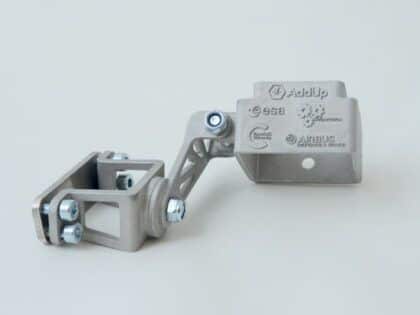
An additively manufactured camera support, designed to withstand acceleration and vibration during launch to space and to hold a camera and its lens in position during the production phases of a metal 3D printer.

“Metal3D“ project objective is to characterize the mechanical properties of a material shaped in microgravity. To carry out this experiment, two batches of test specimens are being produced by the same printer design. While the first batch will be produced in Toulouse in terrestrial gravity, the second will be built in space, more precisely in the Columbus module of the ISS (International Space Station), in microgravity.

GOAL

Position and hold a camera and its lens in position during the flight and manufacturing phases

APPLICATION

3 positioning axes for precise camera field adjustment. Designed to withstand acceleration and vibration during launch

CONTEXT:

“METAL3D“ PROJECT

MASS:

70 g


Mission

“Metal3D“ is a mission commissioned by ESA (European Space Agency) as a technology demonstrator. Its objective is to characterize the mechanical properties of a material shaped in microgravity. To carry out this experiment, two batches of test specimens are being produced by the same printer design. While the first batch will be produced in Toulouse in terrestrial gravity, the second will be built in space, more precisely in the Columbus module of the ISS (International Space Station), in microgravity. To produce these two prints, we have designed and manufactured two identical copies of a metal 3D printing machine capable of operating in both environments. The printer we have designed for this mission will therefore be the first to print metal parts in space.

Process

In the absence of gravity, the majority of current additive manufacturing processes are no longer usable. To make microgravity manufacturing possible, we choose to exploit the forces induced by surface tension. We use a laser as the energy source and steel wire as the raw material. The laser heats the substrate to create a liquid bath. In this liquid bath, we immerse the steel wire. By pushing the wire into the liquid bath, the latter also liquefies and increases the volume of the fusion bath. We then move the laser and therefore the liquid bath to the surface of the substrate while unwinding the wire in this bath so as to create a bead once the liquid bath has solidified. A layer is made up of one or more beads depending on the geometry of the part to be produced. Once the layer is finished, the process starts again using the previous layer as a substrate. In this way, layer by layer, a volumetric part is created.

For the process, we use a 316L wire. The laser and wire are fixed in the machine frame, it is the tabletop that is made mobile through 3 linear axes and 1 rotary axis. The machine is operated under nitrogen in order to limit the oxidation of the material and prevent the risk of combustion. As the access to nitrogen is limited in the ISS, this atmosphere is recycled throughout the manufacturing process by filtration and cooling.

Partners

The mission is being piloted by the Airbus Defense & Space teams. Cranfield University provides the laser, the optical chain, and the wire supply system to the system. Hightech provides the machine enclosure, which provides a sealed and cooling system, and the interfaces between the machine and the rack to which it is connected. Airbus, in addition to piloting the project, is managing the electronic and safety aspects of the machine.

On the mechanical side, AddUp is in charge of the internal structure and the mobile part of the machine. AddUp also manages the control board and the sensors that monitor the process. On the software side, AddUp has developed the machine’s PLC. This software has several functions, it allows communication with the ground by sending different types of data (measurements, photos, reports, etc.) from the machine and by executing the commands it receives.

  • « Go to Previous Page
  • Page 1
  • Page 2
  • Page 3
  • Page 4
  • Page 5
  • Go to Next Page »
AddUp Headquarters

13-33 Rue Verte
ZI de Ladoux, 63118 Cébazat
France

AddUp Solution Center

5101 Creek Rd,
Cincinnati, OH 45242
USA

Footer

  • Machines
    • PBF
      • FormUp 350
      • FormUp 350 Evolution
    • DED
      • BeAM 400
      • BeAM 800
    • Software
      • AddUp Dashboards
    • Why AddUp
      • Customer Journey
      • Certifications
  • Service
    • Training
    • AddUp Academy
  • Industries
    • Medical
    • Aerospace & Defense
    • Tooling & Molding
    • Other Industries
  • Applications
  • Resources
    • Guide to Metal 3D Printing
    • Blog
    • Videos
    • Events
    • Materials
    • Downloads
    • AddUp Academy
    • Customer Portal
  • Company
    • News & Press
    • Partners
    • Careers
    • Supplier Portal
  • Contact

© 2026 AddUp. All Rights Reserved. Privacy Policy| Terms of Use| Legal Notice | additive manufacturing by Fives Logo

Ask an addup expert